For estates and trusts, the tax will be reported on, and paid with, the Form 1041. This ensures that a business does not recognize revenue before it has earned it. Deferred revenue is calculated by subtracting the amount of the goods or services that have been delivered from the amount of cash that https://www.forcelibre.com/2025/08/14/illinois-state-tax-calculator-2026-il-calculate/ has been received. Yes, deferred revenue is recorded as a liability on the balance sheet. Deferred revenue is a liability that represents future earnings that have been received in advance. Subscription-based businesses often rely on deferred revenue to provide a steady stream of income.

Income Splitting in Community Property States: Texas, California, and Arizona Examples
However, for precise budgeting, it’s recommended to use net income, as gross income doesn’t take into account taxes or other deductions like health insurance and retirement contributions. This can help you avoid overspending and ensure you’re accurately tracking your disposable income. For instance, for the 2023 tax year, individuals must file a federal tax return if their gross income meets or exceeds specific thresholds. Taxable income, which is used to assess tax liability, is calculated on IRS Form 1040 by taking gross income and subtracting eligible adjustments and deductions. Taxpayer also received $90,000 from a passive partnership interest, which is considered Net Investment Income.
Example of Unearned Revenue

Unearned income data can provide information on a person’s investment decisions and the passive income streams they have set up. When you file taxes as Married Filing Separately (MFS), you and your spouse each report your own income and deductions on separate tax returns. The IRS requires married couples to choose between filing jointly or separately each tax year, and this online bookkeeping choice affects how much tax you owe.
Maximizing Benefits from Unearned Income
NIIT is a 3.8% tax on the lesser of net investment income or the excess of modified adjusted gross income (MAGI) over a threshold amount. For more information, see Topic no. 559 and Questions and answers on the net investment income tax. Unearned income is earned from sources unrelated to employment and includes interest income, dividends, rental income, gifts, and contributions.
- Always check that you are using the correct forms and following the most current IRS guidelines.
- This means MFS automatically costs you $15,000 in deductions compared to filing jointly.
- States’ previous rules for counting income continue to apply to people who qualify for Medicaid based on age or disability or because they are children in foster care.
- The IRS looks at actual ownership and control, not just who helps out.
- The recognition of unearned revenue is crucial as it prevents the premature recognition of income and ensures a more accurate representation of a company’s financial performance.
If you have a 401(k) or similar workplace retirement plan and your income exceeds certain thresholds, you cannot deduct traditional IRA contributions when filing MFS. The income thresholds for MFS filers are also significantly lower than for joint filers. A high earner filing MFS might completely lose the ability to make deductible IRA contributions.
- Line 11 shows your adjusted gross income (AGI), which is your total income minus above-the-line deductions.
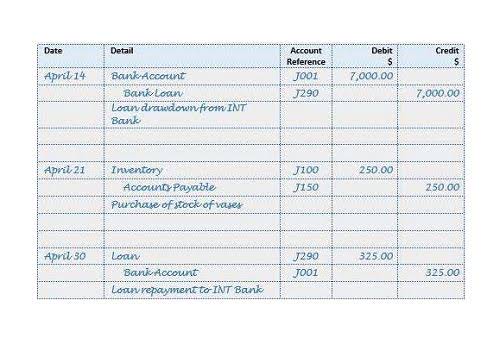
- Unearned revenue is a liability account that represents payments received in advance for goods or services that have not yet been provided or delivered.
- When you file jointly, your household income is $190,000, which makes you ineligible for income-based repayment plans or income-driven forgiveness programs for federal student loans.
- Unearned income is not limited to traditional investment assets; it also encompasses various forms of passive revenue and government distributions.
This contrasts with ordinary income, which can be taxed at rates as high as 37%. Other types of unearned income, such as interest and rents, are taxed at your regular income tax rate. Unearned income comprises the money or financial benefits one receives without actively working or providing services for it. This what is unearned revenue type of income typically arises from sources where your money or assets are earning on your behalf, essentially working as a silent partner in your financial portfolio.